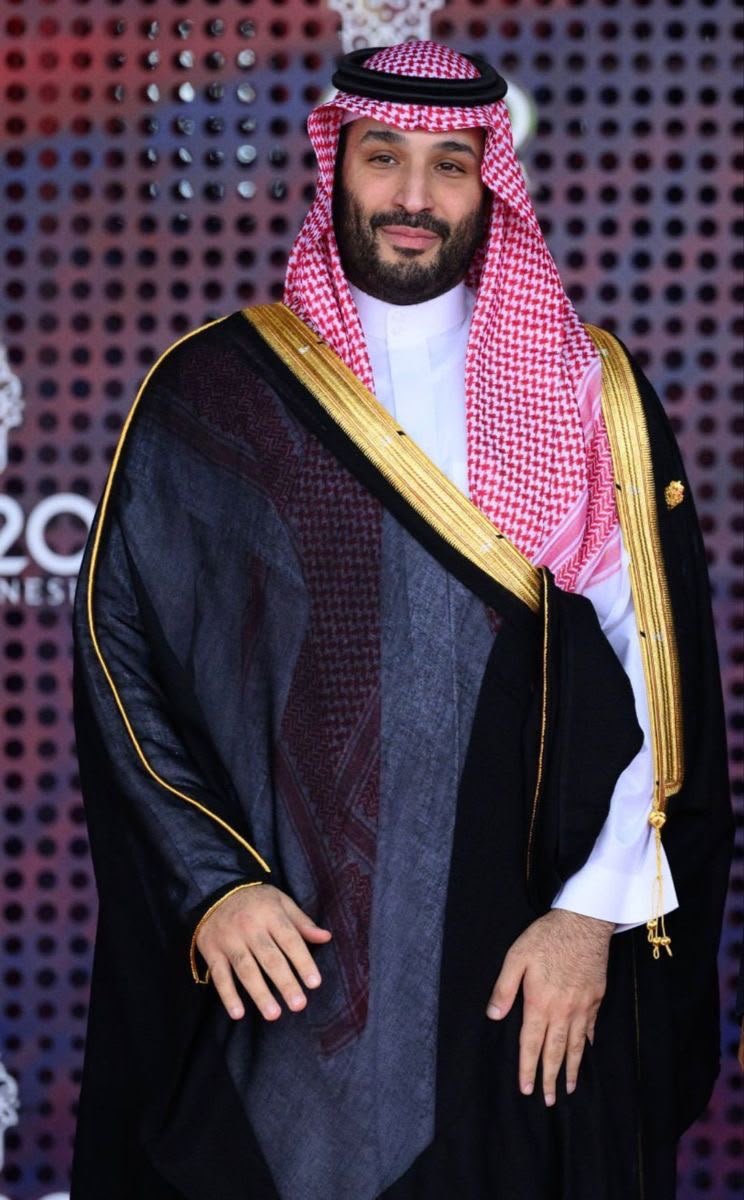
King Salman bin Abdulaziz Al Saud is one of the most important and respected figures in the modern history of Saudi Arabia. As the King of Saudi Arabia and Custodian of the Two Holy Mosques, he holds a position of great national and religious importance. Since becoming king in January 2015, his reign has been associated with major national transformation, institutional development, and the continuation of Saudi Arabia’s journey toward a more diversified future. The Kingdom’s official leadership structure identifies King Salman as the reigning monarch, while Crown Prince Mohammed bin Salman serves as Crown Prince and Prime Minister.
For millions of Saudis, King Salman represents continuity between the country’s historic foundations and its rapidly changing future. His long experience in public administration, especially during his decades of service in Riyadh, helped shape his reputation as an experienced leader. His life story is closely connected with the development of modern Saudi Arabia, from the growth of Riyadh into a major global capital to the ambitious transformation projects now changing the Kingdom’s economy and international image.
Early Life and Royal Background
Salman bin Abdulaziz Al Saud was born in Riyadh on December 31, 1935. He is a son of King Abdulaziz, the founder of the modern Kingdom of Saudi Arabia. Growing up within the royal family gave him a close view of the political and social challenges involved in building and governing a modern state. He received his early education at the Princes’ School in Riyadh, where royal children studied religious subjects alongside other areas of knowledge.
His generation witnessed Saudi Arabia’s transformation from a young kingdom into a major regional and international power. This experience helped shape his understanding of governance, national development, and the importance of preserving Saudi traditions. Before becoming king, Salman spent decades in public service and held some of the country’s most influential government positions. His long career allowed him to develop deep experience in administration and leadership. By the time he became King of Saudi Arabia, he had already spent many years managing major responsibilities connected with the nation’s growth and modernization.
The Long Journey of Riyadh’s Development
One of the most defining chapters of King Salman’s career was his long association with Riyadh. He served as Governor of Riyadh Province for decades, a period that coincided with the city’s remarkable transformation. Riyadh developed from a much smaller urban center into one of the Arab world’s leading capitals and an important center for government, commerce, diplomacy, and investment. His experience in Riyadh helped establish his reputation as a leader closely connected with long-term urban planning and development.
During these years, Saudi Arabia experienced rapid population growth and major infrastructure expansion. Government institutions, diplomatic facilities, modern roads, business districts, universities, and residential areas expanded alongside the country’s growing economy. King Salman later served as Minister of Defense and then as Crown Prince before assuming the throne. His journey through these major positions gave him an unusually broad understanding of Saudi government institutions. This extensive experience remains an important part of his legacy, particularly because it connected him directly with several generations of Saudi leadership and national development.
Becoming the King of Saudi Arabia
King Salman became the ruler of Saudi Arabia on January 23, 2015, following the death of King Abdullah bin Abdulaziz. He also carries the historic title Custodian of the Two Holy Mosques, reflecting the Saudi monarch’s responsibility for Islam’s two holiest sites in Makkah and Madinah. This role gives the Saudi king a unique position not only within the Kingdom but throughout the wider Muslim world.
Since taking the throne, King Salman has presided over a period of significant national transformation. Government institutions have undergone restructuring, major economic and development programs have expanded, and Saudi Arabia has pursued a stronger role in global investment, technology, tourism, and international diplomacy. The reign of King Salman has also seen a growing emphasis on developing sectors beyond traditional oil production. His leadership combines the responsibility of preserving the Kingdom’s historic identity with the challenge of guiding a young and ambitious population toward a changing future.
King Salman and Vision 2030
A major part of the modern transformation associated with King Salman’s reign is Saudi Vision 2030. The national strategy seeks to diversify the Saudi economy, strengthen the private sector, expand tourism, support innovation, and create new opportunities for Saudi citizens. The plan has become the foundation for some of the country’s largest development initiatives. King Salman approved and supported the wider national direction, while Crown Prince Mohammed bin Salman has played a central role in leading and promoting the program.
The transformation is visible in sectors including technology, tourism, entertainment, infrastructure, logistics, sports, renewable energy, and advanced manufacturing. Saudi Arabia is also investing heavily in new cities and large-scale projects intended to attract international companies and investors. The objective is to prepare the country for a future in which economic growth is supported by a wider range of industries. For King Salman, this transformation represents an important chapter in the continuing development of the Kingdom founded by his father, King Abdulaziz.
A King Connected to National Heritage
King Salman has long been associated with Saudi history, heritage, and cultural preservation. His interest in documenting the country’s past has contributed to his reputation as a leader who values historical knowledge alongside modern development. Saudi Arabia has experienced enormous changes during his lifetime, making the preservation of national identity an important part of the country’s cultural journey.